Signs Your Sewer Line May Be Damaged

A damaged sewer line is a plumbing issue no homeowner wants to deal with—but catching it early can save you from a major mess and an even bigger repair bill. Since sewer lines are buried underground, damage isn’t always obvious right away. However, there are several telltale signs that something might be wrong. Here’s what to watch for:

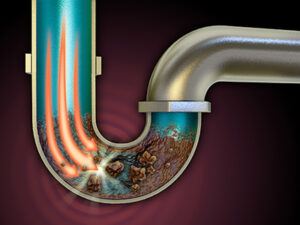
Leak in water pipe. Plumber service. Broken sewer


1. Frequent Drain Backups

If you’re constantly battling slow or clogged drains, especially in multiple areas of your home, this could be a red flag. A single clogged drain is usually a minor issue, but when it’s happening all over your house, it could point to a blockage or break in your main sewer line.


2. Foul Odors

Sewer gas has a very distinct and unpleasant smell. If you notice a persistent sewage odor coming from your drains, yard, or basement, it’s a strong indicator that your sewer line may be cracked or leaking.


3. Soggy or Sunken Areas in Your Yard

A leaking sewer line can saturate the soil in your yard, leading to unusually wet patches—even when it hasn’t rained. You might also notice sunken areas or dips in your lawn as the ground shifts due to water erosion beneath the surface.


4. Unexplained Green Patches in the Grass

Sewer water acts as a fertilizer, so if parts of your yard suddenly look much greener and lusher than the rest, it could mean a sewage leak is feeding the grass from below.


5. Gurgling Sounds from Drains or Toilets

Strange noises coming from your drains—like bubbling or gurgling—are often caused by air trapped in the plumbing due to a blockage or leak. If you hear this consistently, especially after flushing the toilet or draining a sink, it’s time to get your sewer line inspected.


6. Presence of Pests or Rodents

Damaged sewer lines can attract unwanted pests like rats, cockroaches, or sewer flies. If you notice an increase in pests around your home, it may be more than just a pest problem—it could be a broken sewer line giving them an easy way in.


7. Mold or Mildew Growth Indoors

Excess moisture from a cracked sewer pipe can lead to mold or mildew growth inside your home, especially around walls or ceilings. If you notice damp spots, discoloration, or a musty odor, don’t ignore it—it could be tied to a sewer issue.


Don’t Wait—Call a Professional

If you suspect your sewer line is damaged, don’t delay. Ignoring the problem can lead to sewage backups, costly repairs, and even health risks. At Elite Plumbing of Florida, we use advanced tools like camera inspections and trenchless repair methods to diagnose and fix sewer line issues with minimal disruption.


Need a Sewer Line Inspection?

Contact Elite Plumbing of Florida today for fast, reliable service. We’ll help you get to the root of the problem and provide expert repairs that last.

Elite Plumbing of Florida provides plumbing services  in Clearwater, Palm Harbor, and Safety Harbor and most of Pinellas County.

For more information, visit our website https://eliteplumbingoffloridallc.com/or call (727) 301-4846.
Choosing the Right Garbage Disposal for Your Kitchen

When it comes to making your kitchen more efficient and environmentally friendly, installing a garbage disposal is a smart move. But with so many models, sizes, and features available, how do you choose the right one for your kitchen? In this blog, we’ll break down the key factors to consider when shopping for a garbage disposal unit that fits your needs and budget.

Garbage Disposal under the sink, waste chopper concept


🛠️ Types of Garbage Disposals

There are two main types of garbage disposals:

1. Continuous Feed Disposals
These are the most common type, operating as long as the switch is turned on. They’re easy to use and ideal for most households, but they require caution since the unit runs while you add food waste.

2. Batch Feed Disposals
These models only operate when a stopper is placed in the drain, making them a safer choice for families with small children. However, they’re usually more expensive and slightly less convenient.


📏 Size and Power Matter

Garbage disposals range from 1/3 to 1 horsepower. Consider the size of your household:

  • 1/3 to 1/2 HP – Best for small households with light use.

  • 3/4 HP – A good middle-ground option for most families.

  • 1 HP – Ideal for larger households or people who cook often.

More horsepower means the unit can handle tougher food scraps and is less likely to jam.


🔇 Noise Levels

If a quiet kitchen is important to you, look for units with sound insulation features. Higher-end models tend to be much quieter and worth the investment if your kitchen is part of an open floor plan.


💧 Stainless Steel vs. Galvanized Steel

For durability, stainless steel components are preferred. They resist corrosion and wear better than galvanized steel, especially if you expect heavy use.


🧼 Additional Features to Consider

  • Auto-reverse mode to reduce jams.

  • Anti-splash baffles to keep your sink cleaner.

  • Septic-safe models if you’re not connected to a city sewer system.


🧰 Professional Installation Is Key

Even the best garbage disposal won’t perform well if it’s not installed correctly. Hiring a licensed plumber ensures the job is done safely and according to code, and it can prevent leaks or drainage issues down the road.


🏁 Final Thoughts

The right garbage disposal can make cleanup easier, reduce kitchen odors, and even cut down on your household waste. By considering your family size, cooking habits, and

Elite Plumbing of Florida provides plumbing services  in Clearwater, Palm Harbor, and Safety Harbor and most of Pinellas County.

For more information, visit our website https://eliteplumbingoffloridallc.com/or call (727) 301-4846.
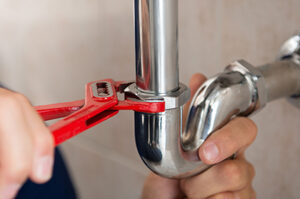
sink setup, you’ll be able to choose a model that performs reliably for years to come.

5 Water-Saving Plumbing Fixtures for an Eco-Friendly Home

As homeowners become more environmentally conscious, water conservation has become a top priority—not only to reduce utility bills but also to protect one of our planet’s most precious resources. One of the easiest and most effective ways to conserve water at home is by upgrading your plumbing fixtures.

plumbing fixture

Whether you’re remodeling or simply looking to make your home more efficient, here are five water-saving plumbing fixtures that can help you create a greener, more eco-friendly living space.


1. Low-Flow Showerheads

A standard showerhead uses about 2.5 gallons of water per minute (GPM), which adds up quickly—especially for large families. Low-flow showerheads reduce that to as little as 1.5 GPM, saving thousands of gallons per year without compromising water pressure.

Benefits:

  • Reduce water usage by up to 40%

  • Lower your monthly water and energy bills

  • Easy to install and available in many stylish designs


2. Dual-Flush Toilets

Toilets account for nearly 30% of household water use. Dual-flush toilets offer two flushing options—one for liquid waste (using about 0.8 gallons) and another for solid waste (about 1.6 gallons).

Why it matters:

  • Saves thousands of gallons of water annually

  • Offers more control over your water usage

  • A smart upgrade during bathroom renovations


3. High-Efficiency Faucets

Water-efficient bathroom and kitchen faucets are designed to deliver strong performance while using less water—typically 1.5 GPM or less, compared to the standard 2.2 GPM.

Key features:

  • Built-in aerators for a strong but gentle stream

  • Stylish and available in a wide range of finishes

  • Ideal for both new installations and retrofits


4. Water-Saving Washing Machines

Front-loading or Energy Star-rated washing machines use significantly less water than older top-loading models. Some use as little as 15 gallons per load, compared to 40 gallons for traditional machines.

Eco benefits:

  • Reduce both water and energy use

  • Handle larger loads with less water

  • Lower wear-and-tear on clothes and plumbing


5. Smart Leak Detectors and Shut-Off Valves

While not a fixture in the traditional sense, smart leak detection systems are a must-have for eco-conscious homeowners. These devices monitor water usage and detect leaks in real time, automatically shutting off your water supply when an issue is detected.

Advantages:

  • Prevent costly water damage

  • Conserve water by eliminating waste from hidden leaks

  • Remote access via smartphone apps


Make the Switch Today

Installing water-saving plumbing fixtures isn’t just good for the environment—it’s also a smart investment that can improve your home’s value and save you money in the long run. Whether you’re starting small with low-flow faucets or going big with a full bathroom upgrade, every drop counts.

Want help making your home more water-efficient? Contact us today for professional plumbing advice, fixture installation, and eco-friendly solutions tailored to your needs.

Elite Plumbing of Florida provides plumbing services  in Clearwater, Palm Harbor, and Safety Harbor and most of Pinellas County.

For more information, visit our website https://eliteplumbingoffloridallc.com/or call (727) 301-4846.
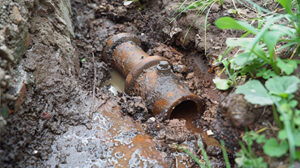
Why You Shouldn’t Use Chemical Drain Cleaners

If you’ve ever dealt with a slow or clogged drain, chances are you’ve been tempted to grab a chemical drain cleaner from the store. They promise quick results and seem like an easy fix—but what many homeowners don’t realize is that these products often do more harm than good. Here’s why professional plumbers strongly recommend avoiding chemical drain cleaners.

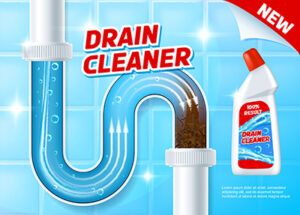
drain cleaner


1. They Can Damage Your Pipes

Most chemical drain cleaners use highly corrosive substances like sodium hydroxide or sulfuric acid to break down clogs. While these chemicals may temporarily clear the blockage, they can also eat away at the inside of your pipes—especially if they’re older or made from PVC. Over time, this can lead to leaks, cracks, or complete pipe failure, which can be far more expensive to repair than the original clog.


2. They’re Harmful to Your Health

The fumes from chemical drain cleaners are toxic and can irritate your eyes, skin, and respiratory system. Accidental splashes can cause burns, and improper use can even result in dangerous chemical reactions. If you have pets or children in the home, these products pose an even greater risk.


3. They’re Bad for the Environment

When you flush chemical cleaners down the drain, those harsh substances don’t just disappear—they enter the wastewater system. Some ingredients are difficult to fully remove during water treatment and may end up in local rivers, lakes, or groundwater, harming aquatic life and contributing to pollution.


4. They Don’t Always Work

Chemical cleaners are often ineffective for tougher clogs, especially those caused by grease buildup, hair, or solid objects. In many cases, they only punch a small hole through the blockage, providing temporary relief while the clog quickly returns. This false sense of resolution can delay necessary professional help and make the issue worse.


5. They Can Void Plumbing Warranties

Many plumbing manufacturers and service providers specifically warn against using chemical cleaners. If you use them and your pipes or fixtures are damaged, you may void your warranty or service agreement—leaving you fully responsible for the repair costs.


Safe Alternatives to Chemical Cleaners

Instead of reaching for harsh chemicals, consider these safer, plumber-approved options:

  • Plunger – A simple but effective tool for minor clogs.

  • Drain Snake or Auger – Manually clears debris from the drain.

  • Baking Soda and Vinegar – A natural combination that can help with light buildup.

  • Professional Drain Cleaning – If the clog persists, call a licensed plumber to safely and thoroughly clear the blockage.


Final Thoughts

Chemical drain cleaners may seem like a convenient solution, but they often cause more problems than they solve. When it comes to your home’s plumbing system, prevention and professional care are the best ways to keep things running smoothly.

Elite Plumbing of Florida provides plumbing services  in Clearwater, Palm Harbor, and Safety Harbor and most of Pinellas County.

For more information, visit our website https://eliteplumbingoffloridallc.com/or call (727) 301-4846.
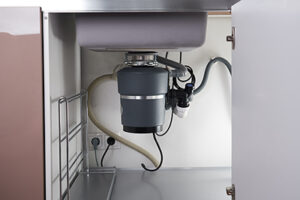
How to Increase Water Pressure in Your Home

Low water pressure can be a frustrating problem, making simple tasks like washing dishes, taking a shower, or watering your garden more difficult. If you’re dealing with weak water flow, don’t worry—there are several ways to boost the water pressure in your home. Here’s a step-by-step guide to help you improve water pressure and enjoy a steady, strong flow again.

Close up shot of modern kitchen faucet with water running from tap, flow falling to empty dish sink at stylish home interior, selective focus, sustainable resources consumption concept

1. Check Your Water Pressure

Before making any changes, it’s important to determine your current water pressure. You can measure this using a water pressure gauge, which can be attached to an outdoor faucet. Ideally, residential water pressure should be between 40-60 psi (pounds per square inch). If your pressure is below 40 psi, you may need to take action.

2. Inspect for Leaks

Leaks in your plumbing system can significantly reduce water pressure. Check for signs of leaks, such as:

  • Water stains on walls or ceilings
  • Damp spots under sinks or around pipes
  • Unexpectedly high water bills If you suspect a leak, contact a professional plumber to fix it promptly.

3. Clean or Replace Clogged Pipes

Over time, mineral deposits and debris can clog pipes, reducing water flow. Older homes with galvanized steel pipes are especially prone to buildup. Consider these solutions:

  • Flush your pipes by turning off the main water supply and running faucets to clear sediment.
  • Use a pipe descaler to remove mineral deposits.
  • Replace old pipes if they are severely clogged or corroded.

4. Adjust the Pressure Regulator

Many homes have a pressure regulator, a device that controls the water pressure coming into your home. If the pressure is too low, you can adjust the regulator:

  • Locate the pressure regulator (typically near the main water supply line).
  • Use a wrench to turn the screw clockwise to increase pressure.
  • Make small adjustments and test your water pressure to find the right balance.

5. Check for Partially Closed Valves

A simple reason for low water pressure could be that a valve isn’t fully open. Check these key valves:

  • Main shutoff valve: Make sure it’s fully open.
  • Water meter valve: If you’ve had recent plumbing work, this valve may have been partially closed.
  • Fixture supply valves: Individual sink or toilet valves should be fully open.

6. Install a Water Pressure Booster Pump

If your home’s water pressure is consistently low, you may need a booster pump. This device increases pressure in your water supply and can be particularly helpful for homes at the end of a municipal supply line or those with well water.

7. Contact Your Water Supplier

Sometimes, the issue isn’t within your home but with the municipal water supply. Contact your local water provider to check if there’s a widespread problem or if they can increase your supply pressure.

Final Thoughts

Improving your water pressure can be as simple as adjusting a valve or as complex as replacing old pipes. By following these steps, you can diagnose the issue and take the right action to restore strong, steady water flow. If you’re unsure or need assistance, don’t hesitate to call a professional plumber for expert advice.

Elite Plumbing of Florida provides plumbing services  in Clearwater, Palm Harbor, and Safety Harbor and most of Pinellas County.

For more information, visit our website https://eliteplumbingoffloridallc.com/or call (727) 301-4846.
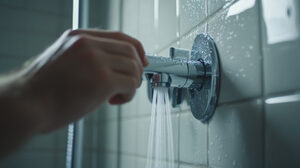
Things Not to Flush

What Things Should You Never Flush Down Your Toilet?

Your toilet is not a trash can! Flushing the wrong items can cause serious plumbing issues, costly repairs, and environmental damage. To keep your plumbing system running smoothly, here are some things you should never flush down your toilet.

Angry man holding a vacuum plunger and looking at a clogged toilet in a bathroom

1. Wet Wipes & Baby Wipes

Even if labeled “flushable,” these wipes do not break down like toilet paper. They can accumulate in your pipes and lead to clogs and blockages.

2. Paper Towels & Tissues

Unlike toilet paper, which is designed to disintegrate quickly in water, paper towels and facial tissues are more absorbent and can cause plumbing backups.

3. Feminine Hygiene Products

Tampons, pads, and other hygiene products are designed to absorb moisture and expand. They do not break down in water and can lead to severe blockages in your sewer system.

4. Cotton Swabs & Cotton Balls

These items do not dissolve and can easily get stuck in pipes, collecting debris and leading to major plumbing issues.

5. Dental Floss

Dental floss is non-biodegradable and can tangle with other debris, forming large clumps that contribute to blockages.

6. Medication

Flushing medications can contaminate water supplies and harm aquatic life. Instead, take unused medication to a pharmacy disposal site.

7. Grease, Oil, & Fat

Though often discarded down kitchen sinks, some people flush grease down the toilet. These substances harden in pipes, leading to stubborn clogs.

8. Hair

Just like it clogs your shower drain, hair can tangle in pipes and create blockages.

9. Diapers

Diapers are designed to absorb moisture and expand. They do not break down in water and can cause severe clogs.

10. Cigarette Butts

Cigarette butts contain toxins that pollute water and do not break down easily, making them hazardous for both plumbing and the environment.

11. Cat Litter

Most cat litter contains clay and sand, which can clog pipes and absorb water, causing blockages. Some brands claim to be flushable, but it’s best to avoid flushing them.

12. Food Waste

Leftover food may seem harmless, but it can swell, attract pests, and contribute to plumbing clogs over time.

Final Thoughts

To avoid costly plumbing repairs and protect the environment, only flush human waste and toilet paper. Dispose of other materials in the trash or through proper disposal methods. A little caution goes a long way in keeping your plumbing system in top shape!

Elite Plumbing of Florida provides plumbing services  in Clearwater, Palm Harbor, and Safety Harbor and most of Pinellas County.

For more information, visit our website https://eliteplumbingoffloridallc.com/or call (727) 301-4846.
Plumbing Upgrades That Can Increase Your Home’s Value

When it comes to increasing your home’s value, most homeowners focus on kitchen remodels or bathroom renovations. However, upgrading your plumbing system can also add significant value to your home, improve efficiency, and attract potential buyers. Whether you’re planning to sell soon or simply want to modernize your home, here are some plumbing upgrades that can boost your home’s worth.

Couple Facing Bathroom Drawing Gradating To Photo.


1. Install a Tankless Water Heater

Traditional water heaters take up space and have a limited supply of hot water. A tankless water heater provides hot water on demand, improving energy efficiency and reducing utility bills. Many homebuyers are looking for energy-saving features, making this upgrade an attractive selling point.

Benefits:
✔ Lower energy costs
✔ Longer lifespan (up to 20 years)
✔ Endless hot water supply


2. Upgrade to Low-Flow Fixtures

Eco-conscious buyers appreciate homes with water-efficient fixtures. Low-flow toilets, showerheads, and faucets reduce water waste without sacrificing performance. These upgrades are cost-effective, easy to install, and can make a significant difference in reducing monthly water bills.

Benefits:
✔ Saves water and lowers bills
✔ Environmentally friendly
✔ Attractive to eco-conscious buyers


3. Replace Old Pipes with PEX or Copper

If your home has outdated galvanized or polybutylene pipes, replacing them with modern PEX or copper piping can increase its value. Old pipes are prone to leaks and corrosion, which can be a major concern for potential buyers. Updated plumbing ensures long-term durability and reliability.

Benefits:
✔ Increases water pressure and quality
✔ Reduces risk of leaks and plumbing failures
✔ Adds longevity to the home’s plumbing system


4. Install a Water Filtration System

A whole-house water filtration system improves water quality by removing contaminants, chlorine, and hard minerals. Clean, safe drinking water is a major selling point for homebuyers, especially those with families or health concerns.

Benefits:
✔ Provides better-tasting, healthier water
✔ Extends the life of plumbing fixtures and appliances
✔ Reduces the need for bottled water


5. Modernize the Kitchen and Bathroom Fixtures

Replacing outdated sinks, faucets, and showerheads with modern, stylish fixtures can instantly refresh the look of your home. Touchless faucets, rainfall showerheads, and sleek designs appeal to buyers who want a contemporary feel.

Benefits:
✔ Enhances aesthetics and functionality
✔ Increases buyer interest
✔ Improves daily convenience


6. Install a Smart Leak Detection System

A smart leak detection system alerts homeowners to leaks before they cause significant damage. This technology can prevent costly water damage and is a great feature to highlight when selling your home.

Benefits:
✔ Protects against costly water damage
✔ Provides peace of mind for homeowners
✔ Can lower home insurance premiums


7. Add an Outdoor Plumbing System

If you’re looking to make your home more appealing to outdoor enthusiasts, consider installing an outdoor kitchen, irrigation system, or outdoor shower. These features are especially desirable in warm climates and can set your home apart from others on the market.

Benefits:
✔ Enhances outdoor living spaces
✔ Attracts buyers looking for unique features
✔ Adds functionality to the home


Increase Your Home’s Value with the Right Plumbing Upgrades

Investing in plumbing upgrades is a smart way to increase your home’s value while making it more efficient and comfortable. Whether it’s installing a tankless water heater, updating pipes, or adding smart plumbing technology, these improvements can help you get a higher price when selling your home.

If you’re considering a plumbing upgrade, contact a professional plumber today to discuss the best options for your home!

Elite Plumbing of Florida provides plumbing services  in Clearwater, Palm Harbor, and Safety Harbor and most of Pinellas County.

For more information, visit our website https://eliteplumbingoffloridallc.com/or call (727) 301-4846.
Signs You Have a Hidden Leak in Your Home

Hidden leaks in your home can lead to costly water damage, mold growth, and high utility bills. Detecting these leaks early can save you money and protect your property. Here are some common signs that you may have a hidden leak in your home:

A drop of water drips from a leaky faucet.

1. Unexplained Increase in Water Bills

If your water bill suddenly spikes without any change in your water usage habits, it could indicate a hidden leak. Compare your current bill with previous months to identify unusual patterns.

2. Low Water Pressure

A drop in water pressure, especially in specific fixtures, can signal a leak in your plumbing system. This is often caused by water escaping before it reaches the faucet.

3. Visible Water Stains

Discoloration or stains on your walls, ceilings, or floors can be a telltale sign of water leakage. These stains often appear yellowish or brownish and may grow over time if the leak isn’t addressed.

4. Mold and Mildew Growth

Mold thrives in damp environments, so its presence, particularly in non-humid areas, could mean there’s a hidden leak. Pay attention to musty odors as well, as they often accompany mold.

5. Warped or Sagging Walls and Floors

Leaks can cause drywall to warp or bubble and hardwood floors to swell or buckle. These structural changes often indicate prolonged water exposure.

6. Sounds of Running Water

If you hear water running or dripping when all fixtures are turned off, you might have a hidden leak. Listen closely near walls or floors to pinpoint the sound.

7. Hot Spots on the Floor

Warm areas on your floor, especially in homes with slab foundations, can indicate a leak in a hot water line. This is more noticeable if you don’t have heated flooring.

8. Outdoor Signs

Pooling water, lush green patches in your yard, or uneven ground can suggest a leak in your outdoor plumbing, such as a sprinkler system or main water line.

9. Higher Humidity Levels

Excess moisture from a hidden leak can raise indoor humidity levels, causing windows to fog up and creating a clammy atmosphere.

10. Cracks in the Foundation

Persistent leaks can weaken your home’s foundation, leading to cracks or settling issues. Check your basement or crawl space for any signs of water intrusion.

What to Do If You Suspect a Hidden Leak

If you notice any of these signs, it’s crucial to act quickly. Here are some steps to take:

  • Inspect Your Plumbing: Check visible pipes, fixtures, and appliances for leaks.
  • Monitor Your Water Meter: Turn off all water usage in your home and observe the meter. If it continues to move, you likely have a leak.
  • Call a Professional Plumber: A licensed plumber can use advanced tools like thermal imaging or acoustic sensors to locate the leak without invasive measures.

Hidden leaks can cause significant damage if left unchecked. Regular plumbing inspections and maintenance can help prevent these issues and ensure your home remains safe and efficient. If you’re dealing with a potential leak, don’t hesitate to contact a professional plumber for expert assistance.

Elite Plumbing of Florida provides plumbing services  in Clearwater, Palm Harbor, and Safety Harbor and most of Pinellas County.

For more information, visit our website https://eliteplumbingoffloridallc.com/or call (727) 301-4846.

Why Is My Toilet Running? Quick Fixes for Common Problems

A running toilet is one of those household annoyances that can quickly turn from a minor inconvenience into a major headache. Not only does it waste water, but it can also drive up your utility bills if left unchecked. The good news? Most running toilet issues are relatively easy to diagnose and fix on your own. Here’s a guide to understanding why your toilet might be running and some quick fixes to get things back in order.

Toilet tank parts replacement. A man in orange gloves repairs the toilet tank drain.


Common Reasons Your Toilet Is Running

  1. Faulty Flapper
    The flapper is a rubber seal that sits at the bottom of the tank and controls water flow into the bowl. Over time, it can become worn or misaligned, leading to leaks.
  2. Improper Chain Length
    The chain connecting the flush handle to the flapper can sometimes be too long or too short, causing the flapper to stay partially open or fail to seal properly.
  3. Malfunctioning Fill Valve
    The fill valve controls the water level in the tank. If it’s not working correctly, the water level may rise too high and spill into the overflow tube.
  4. Worn-Out Float
    The float regulates the amount of water in the tank. If it’s damaged or misaligned, the tank may overfill, causing constant water flow.
  5. Dirty or Damaged Flush Valve Seat
    Mineral deposits or debris can build up around the flush valve seat, preventing the flapper from sealing properly.

Quick Fixes for a Running Toilet

  1. Check and Replace the Flapper
    • Turn off the water supply to the toilet.
    • Remove the tank lid and inspect the flapper for wear or damage.
    • If it’s worn, purchase a replacement flapper at your local hardware store and install it according to the instructions.
  2. Adjust the Chain
    • Make sure the chain has just enough slack to allow the flapper to close completely after flushing.
    • If it’s too long, shorten it by adjusting the hook placement.
  3. Inspect and Adjust the Fill Valve
    • Look for the water level in the tank. It should sit about 1 inch below the top of the overflow tube.
    • If the water is too high, adjust the float by turning the screw on the fill valve or bending the float arm (in older models).
  4. Clean the Flush Valve Seat
    • Turn off the water supply and drain the tank.
    • Clean the flush valve seat with a sponge or scrubber to remove any debris or mineral buildup.
    • Ensure the flapper creates a tight seal when closed.
  5. Replace the Fill Valve or Float
    • If the fill valve or float is damaged, it may need to be replaced. These components are relatively inexpensive and available at most hardware stores.
    • Follow the manufacturer’s instructions for installation.

When to Call a Professional Plumber

If you’ve tried these fixes and your toilet is still running, it might be time to call in a professional. Issues like cracks in the tank, problems with the plumbing system, or other underlying issues may require expert attention. A plumber can quickly diagnose and resolve the problem, saving you time and frustration.


Preventing Future Issues

  • Regularly inspect your toilet for signs of wear or leaks.
  • Avoid using harsh chemical cleaners in the tank, as they can damage rubber components.
  • Schedule routine plumbing maintenance to catch potential problems early.

A running toilet doesn’t have to be a source of stress—or a drain on your wallet. By understanding the common causes and applying these quick fixes, you can often resolve the issue yourself. If all else fails, don’t hesitate to seek professional help to ensure your plumbing system stays in top shape.

Have a running toilet problem you can’t solve? Call us.

Elite Plumbing of Florida provides plumbing services  in Clearwater, Palm Harbor, and Safety Harbor and most of Pinellas County.

For more information, visit our website https://eliteplumbingoffloridallc.com/or call (727) 301-4846.

Plumbing Repairs After a Hurricane

After a hurricane, the focus is often on cleaning up debris, fixing structural damage, and restoring electricity. However, plumbing systems can also suffer significant damage from these powerful storms. Plumbing repairs after a hurricane are crucial for preventing further water damage, protecting health, and ensuring your home or business’s water system runs smoothly. Here are some of the most common plumbing issues that arise after a hurricane and the steps you should take to address them.

A drainage service inspects a clogged drain using a camera prior to clearing it.

1. Flooded Septic Tanks and Backed-Up Sewer Lines

  • The Issue: Floodwaters can infiltrate septic systems, causing them to overflow. Likewise, the immense pressure from floodwaters can lead to sewer lines backing up into homes.
  • Repairs Needed: Plumbing professionals will inspect the septic tank and sewer lines, pump out any excess water, and repair any breaks or clogs. They’ll also check for contamination to ensure your water is safe for use.
  • Prevention Tip: Consider installing a backflow valve to reduce the risk of sewer backups during future storms.

2. Pipe Leaks from Shifting Foundations

  • The Issue: Hurricanes often result in shifting foundations due to the saturation of ground soil, which puts stress on plumbing pipes and can lead to cracks and leaks.
  • Repairs Needed: A plumber will use advanced leak detection tools to locate any hidden leaks in the foundation or walls. Leaking or damaged pipes may require repairs or full replacement to prevent ongoing water damage.
  • Prevention Tip: Regularly monitor your home’s foundation and get professional inspections after any significant weather events to identify and fix potential issues before they escalate.

3. Clogged or Damaged Drains from Debris

  • The Issue: Wind and rain often bring in large amounts of dirt, leaves, and debris that can clog drains and even damage underground plumbing pipes.
  • Repairs Needed: Plumbing experts will remove any debris from drains, check for breaks in underground pipes, and may need to snake or hydro-jet the lines to ensure smooth water flow.
  • Prevention Tip: Install drain covers to help keep larger debris out, and have your drains professionally cleaned as part of post-hurricane maintenance.

4. Contaminated Water Supply Lines

  • The Issue: Floodwater often carries harmful contaminants, from bacteria and chemicals to debris that can affect your water supply.
  • Repairs Needed: A plumber can flush and sanitize your water supply lines, and in severe cases, replace contaminated pipes. This process may include testing water quality and possibly installing new filters.
  • Prevention Tip: Always keep bottled or filtered water on hand for emergencies and consider having water filtration systems in place to help mitigate contamination.

5. Water Heater Damage and Malfunctions

  • The Issue: Floodwaters and power outages can damage water heaters, affecting their efficiency or rendering them completely inoperable.
  • Repairs Needed: A plumbing professional will inspect the water heater for electrical damage, check for gas leaks, and test the heating elements. In some cases, the entire unit may need replacement if the damage is extensive.
  • Prevention Tip: Secure your water heater with a raised platform to protect it from floodwaters, and ensure gas lines are in good condition.

6. Broken Water Mains and Outdoor Pipes

  • The Issue: During hurricanes, powerful winds and heavy debris can cause breaks or cracks in outdoor plumbing, including the water main.
  • Repairs Needed: Repairs often require digging to locate the damaged pipes, sealing or replacing broken sections, and ensuring no leaks remain. This is essential to restore a safe water supply and prevent excessive water bills from undetected leaks.
  • Prevention Tip: Shut off the main water supply during hurricane warnings and consider hiring a plumber to inspect your outdoor pipes regularly.

7. Damaged Sump Pumps and Basement Flooding

  • The Issue: Sump pumps are crucial during storms to prevent flooding in basements, but they can become overworked or damaged in severe conditions.
  • Repairs Needed: A plumber can inspect your sump pump, clear any blockages, and repair or replace damaged components. Testing your pump’s effectiveness post-storm ensures it’s ready for future storms.
  • Prevention Tip: Have a battery-powered backup sump pump and regularly test your main unit before storm season.

Why Professional Plumbing Inspections are Essential Post-Hurricane

After a hurricane, some plumbing issues may not be immediately noticeable but can lead to bigger problems if left unaddressed. A professional plumbing inspection can help identify hidden damage, prevent water loss, and maintain the safety and integrity of your water system. Many plumbing companies offer post-hurricane inspections and emergency services, so don’t hesitate to reach out if you’re concerned about any aspect of your plumbing system.

Final Thoughts

Hurricanes are powerful forces that can have lasting effects on plumbing systems. By staying vigilant and scheduling necessary repairs promptly, you can protect your home from further damage and avoid costly future repairs. Professional plumbers have the tools, expertise, and experience to ensure that your home’s plumbing is restored and fortified against future storms.

Elite Plumbing of Florida provides plumbing services  in Clearwater, Palm Harbor, and Safety Harbor and most of Pinellas County.

For more information, visit our website https://eliteplumbingoffloridallc.com/or call (727) 301-4846.