When it comes to increasing your home’s value, most homeowners focus on kitchen remodels or bathroom renovations. However, upgrading your plumbing system can also add significant value to your home, improve efficiency, and attract potential buyers. Whether you’re planning to sell soon or simply want to modernize your home, here are some plumbing upgrades that can boost your home’s worth.

1. Install a Tankless Water Heater
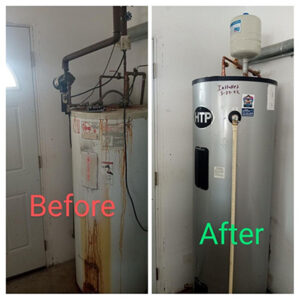
Traditional water heaters take up space and have a limited supply of hot water. A tankless water heater provides hot water on demand, improving energy efficiency and reducing utility bills. Many homebuyers are looking for energy-saving features, making this upgrade an attractive selling point.
Benefits:
✔ Lower energy costs
✔ Longer lifespan (up to 20 years)
✔ Endless hot water supply
2. Upgrade to Low-Flow Fixtures
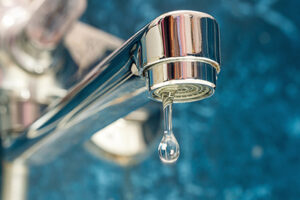
Eco-conscious buyers appreciate homes with water-efficient fixtures. Low-flow toilets, showerheads, and faucets reduce water waste without sacrificing performance. These upgrades are cost-effective, easy to install, and can make a significant difference in reducing monthly water bills.
Benefits:
✔ Saves water and lowers bills
✔ Environmentally friendly
✔ Attractive to eco-conscious buyers
3. Replace Old Pipes with PEX or Copper
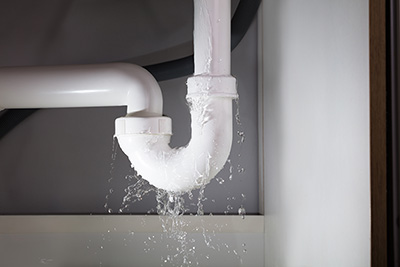
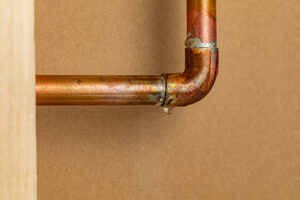
If your home has outdated galvanized or polybutylene pipes, replacing them with modern PEX or copper piping can increase its value. Old pipes are prone to leaks and corrosion, which can be a major concern for potential buyers. Updated plumbing ensures long-term durability and reliability.
Benefits:
✔ Increases water pressure and quality
✔ Reduces risk of leaks and plumbing failures
✔ Adds longevity to the home’s plumbing system
4. Install a Water Filtration System
A whole-house water filtration system improves water quality by removing contaminants, chlorine, and hard minerals. Clean, safe drinking water is a major selling point for homebuyers, especially those with families or health concerns.
Benefits:
✔ Provides better-tasting, healthier water
✔ Extends the life of plumbing fixtures and appliances
✔ Reduces the need for bottled water
5. Modernize the Kitchen and Bathroom Fixtures
Replacing outdated sinks, faucets, and showerheads with modern, stylish fixtures can instantly refresh the look of your home. Touchless faucets, rainfall showerheads, and sleek designs appeal to buyers who want a contemporary feel.
Benefits:
✔ Enhances aesthetics and functionality
✔ Increases buyer interest
✔ Improves daily convenience
6. Install a Smart Leak Detection System
A smart leak detection system alerts homeowners to leaks before they cause significant damage. This technology can prevent costly water damage and is a great feature to highlight when selling your home.
Benefits:
✔ Protects against costly water damage
✔ Provides peace of mind for homeowners
✔ Can lower home insurance premiums
7. Add an Outdoor Plumbing System
If you’re looking to make your home more appealing to outdoor enthusiasts, consider installing an outdoor kitchen, irrigation system, or outdoor shower. These features are especially desirable in warm climates and can set your home apart from others on the market.
Benefits:
✔ Enhances outdoor living spaces
✔ Attracts buyers looking for unique features
✔ Adds functionality to the home
Increase Your Home’s Value with the Right Plumbing Upgrades
Investing in plumbing upgrades is a smart way to increase your home’s value while making it more efficient and comfortable. Whether it’s installing a tankless water heater, updating pipes, or adding smart plumbing technology, these improvements can help you get a higher price when selling your home.
If you’re considering a plumbing upgrade, contact a professional plumber today to discuss the best options for your home!
Elite Plumbing of Florida provides plumbing services in Clearwater, Palm Harbor, and Safety Harbor and most of Pinellas County.
For more information, visit our website https://eliteplumbingoffloridallc.com/or call (727) 301-4846.